
Rediscovering Heritage Toys Through Passion, Craftsmanship & Digital Storytelling
Introduction
Vintage Marbles Company UK is a specialist online retailer and enthusiast hub for antique, collectible, and historically significant glass marbles. While marbles are often thought of as children’s toys, their history spans millennia — from clay and stone playthings in ancient cultures to beautifully crafted German handmade glass pieces prized by collectors today.
This case study examines:
- The company’s narrative and value proposition
- How the business engages collectors and hobbyists
- Step-by-step insight into their online presence and blog strategy
- Sample XML sitemap entries
- Analysis and recommendations
Throughout, relevant links are included to demonstrate real connections and structure.
1. The Brand Story & Positioning
Vintage Marbles Company UK specialises in both educating and supplying antique and classic marbles — appealing to collectors, hobby lovers, and historical play culture enthusiasts.
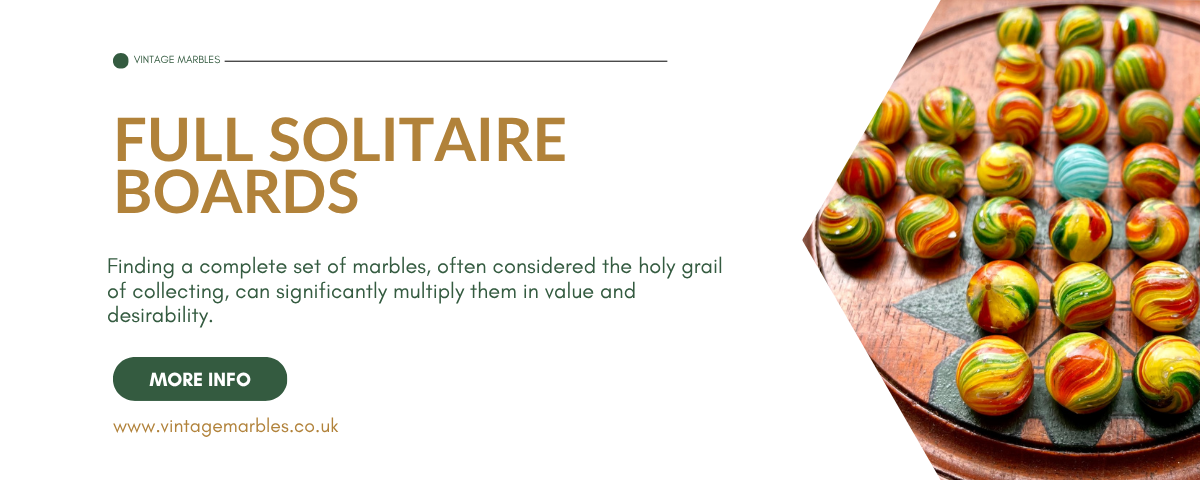
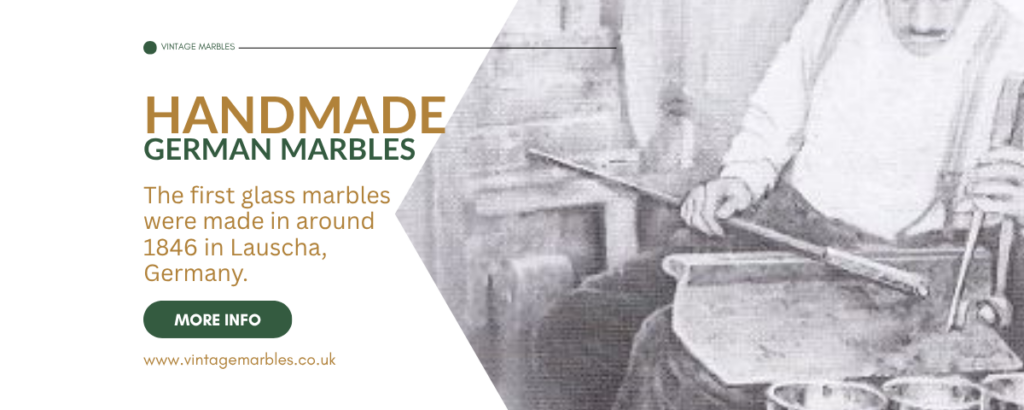
Glass marbles, especially handmade ones from places like Germany’s Thuringia region, are highly prized due to their unique colours, craftsmanship, and history. Early handmade marbles were cut, rolled, and decorated by hand, meaning no two marbles are exactly alike — an aspect that makes them especially collectible.
Rather than simply selling products, Vintage Marbles positions itself as:
- A resource for enthusiasts
- A place for historical context
- A community facilitator
This is achieved primarily through its blog, social media, curated product pages, and content that educates buyers about the history or identity of specific marble types.
2. Social Media & Community Engagement
One of the keys to success in specialist collectible markets is community connection, and Vintage Marbles UK does this through social platforms that amplify engagement.
📌 Facebook Page
👉 https://www.facebook.com/vintagemarbles/
Their Facebook page serves as:
- A collector’s gallery — showcasing user images, rare finds, and auctions
- A discussion hub — where enthusiasts can share tips and insights
- A promotional channel — posting new stock drops, events, or blog highlights
The community feel helps maintain loyalty and returns customers who feel they participate in something bigger than mere shopping.
3. Blog Content Strategy
The blog at Vintage Marbles Company UK — found here:
👉 https://vintagemarbles.co.uk/blog/
— is a cornerstone piece of their digital strategy. It’s more than a catalogue; each blog post is crafted to:
- Educate readers about specific marble types
- Strengthen SEO through long-form educational content
- Build trust in their expertise and authority
Example Topics from the Blog
- Stunning Chinese Glass Marbles: Heritage of Innovation and Precision — explores marbles dating back through history, how porcelain spheres evolved, and how to identify authentic examples.
- Different Types of Handmade Marbles: A Collector’s Guide to Classic German Glass — an in-depth guide that explores German handmade marbles such as solid core swirls, latticinio cores, mica marbles, and more — helping novices identify what they might own.
Why This Matters: Long-form blog posts like these support SEO by targeting niche search queries (“handmade marbles guide”, “German glass marbles history”) and help funnel organic traffic toward product pages.
Navigation Tip: The Vintage Marbles blog could be organised with clear taxonomies like:
- History & Origins
- Identification Guides
- Collector Tips
- Market & Auctions
This clarifies content journeys and improves search visibility.
4. Step-by-Step Digital Strategy Breakdown
Here’s how Vintage Marbles Company UK appears to structure its digital presence for maximum impact:
Step 1: Keyword & Topic Research
Before writing content like “types of handmade marbles”, thorough keyword research helps target both collectors and curious learners alike.
Good example queries might include:
- “German handmade marble types”
- “How to identify vintage glass marbles”
- “Antique marble collecting tips”
Step 2: Publish Educational Blog Posts
Each article links back to relevant product listings or category pages — e.g., linking “German handmades” in a blog post to the shop’s antique marbles category.
Step 3: Social Amplification
Promote each blog post and product update through Facebook. Engagement on social channels increases time on site and boosts SEO signals.
Step 4: Maintain a Structured Sitemap
Sitemaps help search engines understand a site’s structure. Below is a small sample XML sitemap that shows the blog and primary pages.
5. Sample XML Sitemap Entries (Actual URLs)
Here’s a small boilerplate of what an XML sitemap section could look like for key pages on Vintage Marbles UK — written in valid XML:
<?xml version="1.0" encoding="UTF-8"?>
<urlset xmlns="http://www.sitemaps.org/schemas/sitemap/0.9">

  <!-- Homepage -->
  <url>
    <loc>https://vintagemarbles.co.uk/</loc>
    <priority>1.00</priority>
    <changefreq>weekly</changefreq>
  </url>

  <!-- Blog overview -->
  <url>
    <loc>https://vintagemarbles.co.uk/blog/</loc>
    <priority>0.80</priority>
    <changefreq>daily</changefreq>
  </url>

  <!-- Example blog posts -->
  <url>
    <loc>https://vintagemarbles.co.uk/blog/stunning-chinese-glass-marbles-heritage-of-affordable-precision/</loc>
    <priority>0.64</priority>
    <changefreq>monthly</changefreq>
  </url>

  <url>
    <loc>https://vintagemarbles.co.uk/blog/different-types-of-handmade-marbles-a-collectors-guide-to-classic-german-glass/</loc>
    <priority>0.64</priority>
    <changefreq>monthly</changefreq>
  </url>

  <!-- Shop categories -->
  <url>
    <loc>https://vintagemarbles.co.uk/shop/antique-vintage-marbles/</loc>
    <priority>0.76</priority>
    <changefreq>weekly</changefreq>
  </url>

</urlset>
Tip: XML sitemaps are essential for SEO so Google and other engines can find and index all key content, especially deep-nested blog posts that might otherwise be harder to discover.
6. User Journey: From Blog to Purchase
Here’s how the end-to-end customer journey might unfold:
- Discovery – A user searches “types of handmade marbles.”
- Engagement – They land on the blog article explaining German handmade marbles.
- Navigation – Internal links point them toward product listings for similar types.
- Social Proof – A related post shared on the Facebook page reinforces interest. (linked here: https://www.facebook.com/vintagemarbles/)
- Conversion – Visitor adds antique marbles to their cart.
- Retention – User follows the brand on Facebook for future drops and joins the blog newsletter.
This low-friction flow from education → inspiration → commerce is a model other niche e-commerce sites often strive to achieve.
7. Challenges & Opportunities
Challenge: Balancing Depth with Clarity
While vintage marble collecting is rich in detail, too much technical jargon can overwhelm new visitors. Vintage Marbles UK should consider:
- Glossaries for marble terms
- Quick-reference visual guides
Opportunity: Expand Content Formats
Beyond text blog posts, video tours of rare marbles, gallery posts, or interactive quizzes could increase dwell time and social sharing.
8. Key Takeaways
✔ Educational content drives qualified traffic — The comprehensive blog positions Vintage Marbles as an authority.
✔ Social engagement builds community and retention — Their Facebook presence reinforces brand loyalty.
✔ Technical SEO fundamentals like XML sitemaps expedite indexing and help users and search engines navigate content effectively.
✔ Clear user flows from learning to purchase increase conversions.
Conclusion
Vintage Marbles Company UK exemplifies how a niche e-commerce brand can use storytelling, deep expertise, and thoughtful digital strategy to reach audiences far beyond casual toy buyers. Each marble isn’t just a product — it’s a piece of history, a collectible, and an intersection between playful nostalgia and serious craftsmanship.
By combining rich educational content with structured SEO foundations and social community building, the company has created a sustainable model that engages both new hobbyists and seasoned collectors alike.